Проектирование загородных домов: common mistakes that cost you money
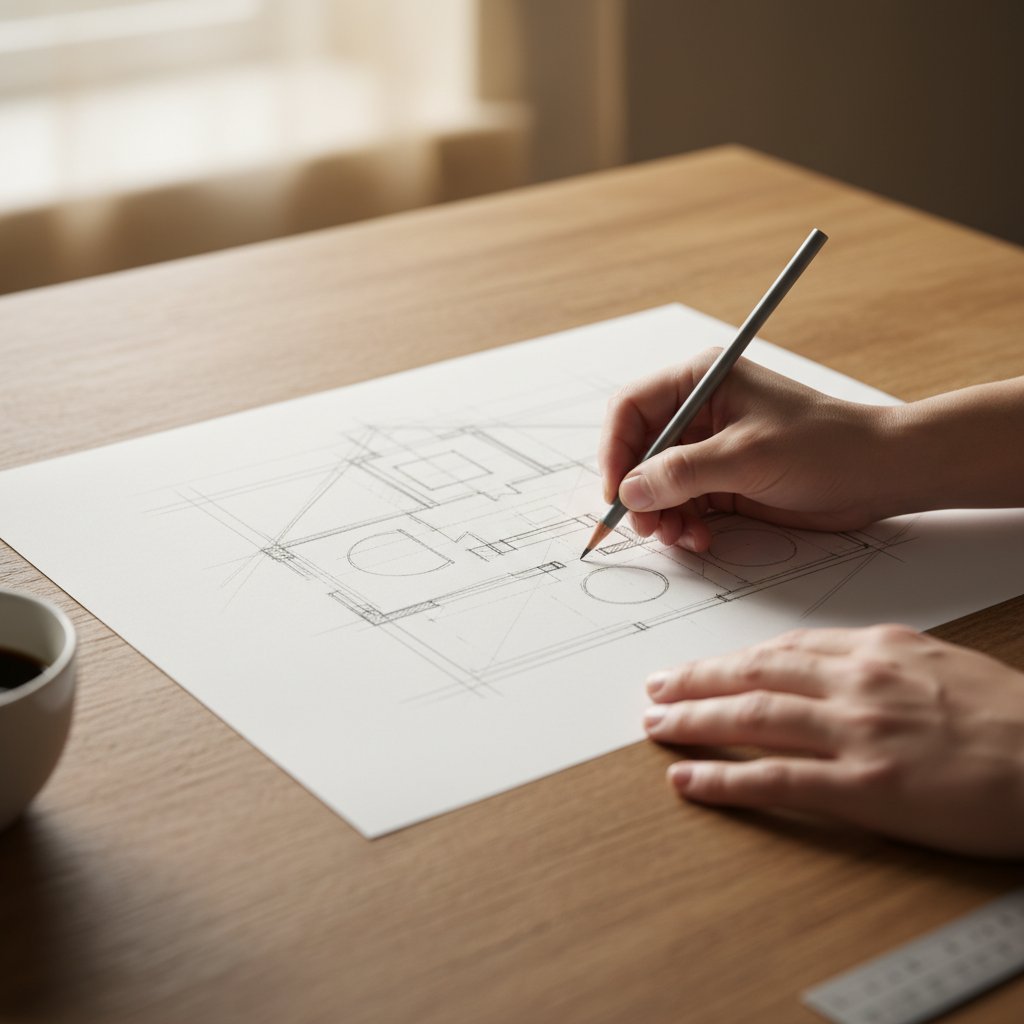
The Expensive Reality of Country Home Design: DIY vs. Professional Architect
Building your dream country house can quickly turn into a financial nightmare if you mess up the design phase. I've watched too many people blow an extra 30-40% of their budget fixing preventable mistakes. The big question everyone faces: should you sketch out plans yourself (maybe with some online tools) or hire a professional architect? Let's break down what each approach actually costs you—and I'm not just talking about upfront fees.
The DIY Design Route: When "I Can Do This" Gets Expensive
Plenty of homeowners start with graph paper, Pinterest boards, and free design software. Sounds budget-friendly, right?
What Works About DIY Design
- Zero design fees upfront: You're saving $5,000-15,000 that would go to an architect
- Total creative control: No compromises, no "professional suggestions" steering you away from your vision
- Move at your own pace: Spend months tweaking that kitchen layout without anyone's meter running
- Direct connection to your needs: Nobody knows how you live better than you do
Where DIY Bleeds Money Later
- Foundation miscalculations: One builder told me about a client who designed their own home but didn't account for soil conditions. The foundation work ended up costing $23,000 more than budgeted—because the design required complete re-engineering.
- Code violations discovered mid-build: Stopping construction to redesign stairwells, window placements, or structural elements typically adds 6-8 weeks and $12,000-30,000 to your timeline
- Energy efficiency disasters: Poor window placement and insulation planning can increase heating costs by 40-60% annually—that's $1,200-2,400 bleeding out every single year
- Structural overbuilding: Without load calculations, contractors often add unnecessary beams and supports "to be safe," inflating costs by 15-20%
- Space planning failures: That 400 sq ft master suite might sound luxurious until you realize you've squeezed the kitchen into 120 sq ft and now need to redesign
Professional Architectural Design: The Real Numbers
Hiring an architect for your country home feels expensive. Because it is—initially.
The Advantages That Actually Matter
- Code compliance from day one: No expensive surprises when the inspector shows up
- Engineered structural plans: You're not guessing about beam sizes or foundation depth—everything's calculated for your specific site
- Energy modeling: Good architects run thermal simulations that can reduce your heating bills by 35-50% compared to basic designs
- Contractor efficiency: Clear, professional plans typically shave 3-5 weeks off construction time (that's real money if you're paying rent elsewhere)
- Resale value protection: Professionally designed homes appraise 8-12% higher on average
The Legitimate Drawbacks
- Upfront investment: Expect to pay 8-15% of construction costs for full architectural services—that's $24,000-60,000 on a $300,000 build
- Timeline addition: Professional design phase adds 2-4 months before construction starts
- Less spontaneity: Changes during construction with architectural plans cost significantly more than adjusting as you go
- Communication overhead: You're translating your vision through another person, which sometimes gets lost
Cost Comparison: First Year Through Five Years
| Cost Factor | DIY Design | Professional Architect |
|---|---|---|
| Design Phase | $500-2,000 (software/tools) | $24,000-60,000 |
| Construction Overruns | $30,000-70,000 (avg) | $8,000-15,000 (avg) |
| Code Violation Fixes | $12,000-30,000 | $0-2,000 |
| Annual Energy Costs (5 yrs) | $15,000-18,000 | $9,000-12,000 |
| Time Delays (opportunity cost) | 8-12 weeks extra | Minimal delays |
| 5-Year Total | $57,500-120,000 | $41,000-89,000 |
What the Numbers Actually Tell You
Here's the uncomfortable truth: DIY design rarely saves money unless you have serious technical knowledge. Most people without construction or engineering backgrounds end up spending 20-35% more on their total project than they would have with professional plans.
The sweet spot? Hire an architect but stay deeply involved. Review every decision, question the expensive choices, and use your knowledge of how you'll actually live in the space. You're not paying for someone to dream up your house—you're paying for someone to keep your dream from turning into an expensive disaster.
One last thing: if your budget is genuinely tight, consider hiring an architect for structural and systems design only, then work with them on space planning rather than going fully custom. This hybrid approach typically costs 40-50% less than full service but catches 90% of the expensive mistakes.
Your country home should be a refuge, not a money pit. Invest in getting the design right, even if it stings initially. Your future self—and your bank account five years from now—will thank you.