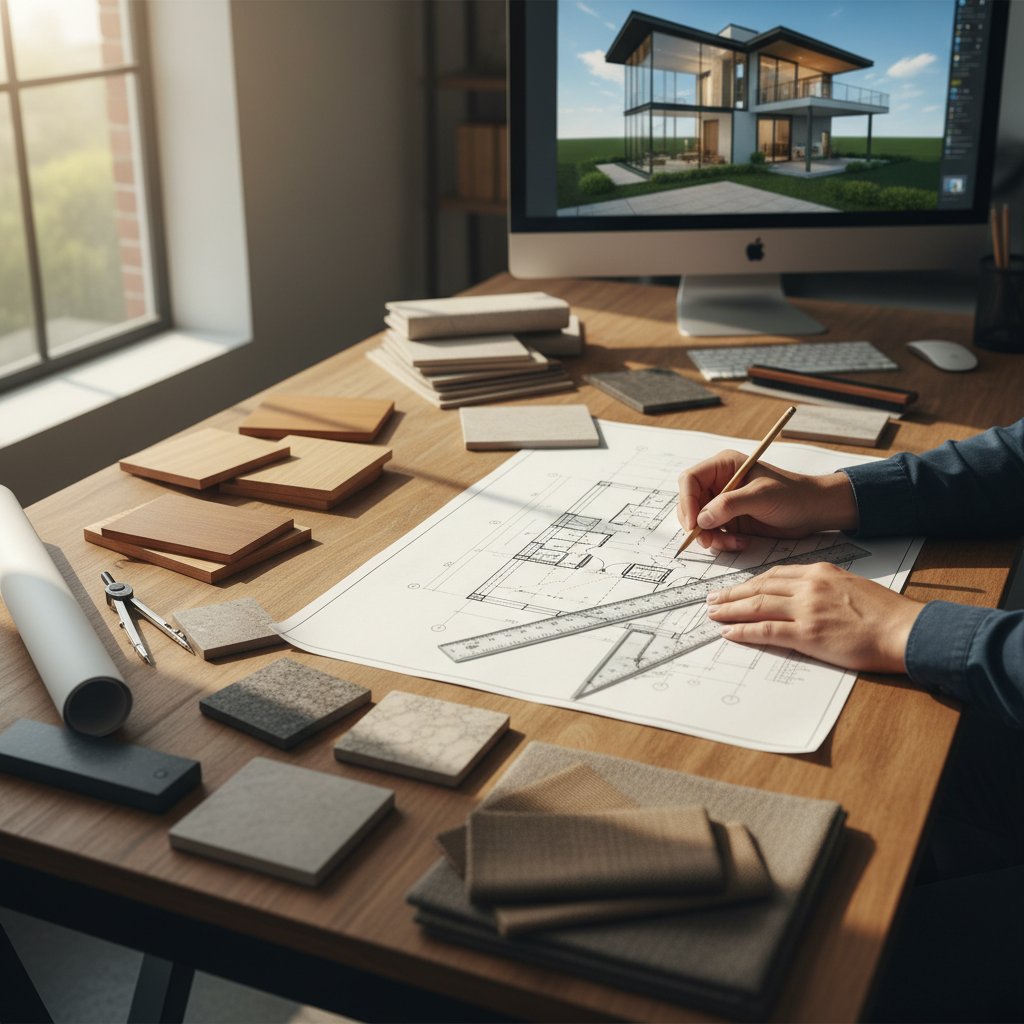
Find answers to common questions about country house design, planning permissions, construction timelines, and our services.
The timeline varies depending on project complexity and size. For a standard 200-300 square metre country house, the complete design process typically takes 12-16 weeks. This includes initial consultations, concept development, detailed drawings, structural calculations, and preparation of planning application documents.
Larger properties or those with complex features such as basements, swimming pools, or extensive landscaping may require 20-24 weeks. We work efficiently while ensuring every detail receives proper attention. Rush services are available for clients with specific deadlines, though we recommend allowing adequate time for thorough planning.
Planning applications for country houses require comprehensive documentation. Essential items include site location plans at 1:1250 scale, detailed floor plans, elevations showing all four sides, cross-sections, and a design and access statement explaining your proposal.
Additional documents often needed include ecological surveys, drainage plans, tree surveys if mature trees are present, and heritage statements for properties in conservation areas. We prepare all required documentation as part of our service, liaising with specialists such as ecologists and arborists when necessary. Each local planning authority may have specific requirements, which we address based on our experience with councils across the UK.
All our designs comply with current Building Regulations Part L (Conservation of Fuel and Power) and incorporate energy-efficient features. We specify high-performance insulation with U-values of 0.15 W/m²K for walls and 0.11 W/m²K for roofs, triple-glazed windows, and airtight construction methods achieving 3 m³/h/m² at 50 Pa or better.
We integrate renewable technologies including air source heat pumps, solar panels, and mechanical ventilation with heat recovery systems. Our designs can achieve EPC ratings of A or B, significantly reducing running costs. We also consider passive solar design, optimal building orientation, and thermal mass to minimize energy consumption while maintaining comfort throughout the year.
Design fees typically range from 6% to 12% of the estimated construction cost, depending on project complexity and services required. For a country house with a construction budget of £400,000, design fees would be approximately £24,000 to £48,000. This includes all architectural drawings, planning applications, building regulations submissions, and construction support.
Smaller projects under 150 square metres may have fixed fees starting from £15,000, while larger estates exceeding 500 square metres require bespoke quotations. Additional services such as interior design, landscape architecture, or project management are quoted separately. We provide detailed fee proposals after the initial consultation, with transparent breakdowns of all costs and payment stages.
Yes, we manage the complete planning application process from initial submission to approval. This includes preparing all required drawings and documents, submitting applications electronically, responding to planning officer queries, and addressing any concerns raised by neighbours or consultees.
We attend planning committee meetings when necessary and negotiate conditions to ensure they are workable. Our success rate exceeds 87% for first-time applications. If an application is refused, we analyze the reasons, revise the design accordingly, and resubmit at no additional design fee. We maintain regular communication throughout the process, typically lasting 8-12 weeks for standard applications and 13-16 weeks for more complex proposals.
We design across multiple architectural styles to suit client preferences and planning constraints. Our portfolio includes traditional Georgian and Victorian-inspired designs with symmetrical facades and classical proportions, contemporary barn conversions with exposed timber and glazed gables, and modern minimalist houses featuring clean lines and extensive glazing.
We also create Arts and Crafts style homes with natural materials and handcrafted details, as well as eco-houses incorporating sustainable materials like timber frame, straw bale, or rammed earth. Each design responds to the specific site context, local vernacular architecture, and planning policies while reflecting your personal taste and lifestyle requirements. We avoid generic templates, ensuring every house is individually crafted.
Sloping sites offer opportunities for creative design solutions. We conduct detailed topographical surveys to understand existing levels, drainage patterns, and soil conditions. For moderate slopes, we design split-level layouts that follow the natural contours, minimizing excavation and retaining walls while creating interesting internal spaces.
Steep slopes may accommodate basement levels with walk-out access, reducing the building's visual impact from uphill viewpoints. We consider access routes for construction vehicles, foundation types suitable for the ground conditions, and drainage strategies to manage surface water. Our designs work with the landscape rather than against it, often resulting in more interesting architecture than flat sites would allow. Structural engineers are involved early to ensure cost-effective foundation solutions.
We regularly integrate existing structures into new country house designs. This might involve converting agricultural buildings, extending period cottages, or incorporating historic walls and features. We begin with structural surveys to assess the condition of existing buildings, identifying elements worth preserving and those requiring replacement.
Conversion projects often benefit from permitted development rights, potentially avoiding full planning applications. We ensure seamless integration between old and new, respecting original character while providing modern comfort and space. This approach can be more sustainable and cost-effective than demolition and rebuild, particularly when existing structures have good foundations and sound structural frames. Listed buildings require specialist knowledge of conservation principles, which we provide through our experience with heritage projects.
We offer comprehensive construction support services tailored to your needs. Standard services include regular site visits at key stages (foundations, frame erection, first fix, second fix), reviewing contractor queries, issuing clarification drawings, and certifying practical completion. We typically conduct 12-15 site visits for a standard country house project.
Enhanced services include full project management, contractor procurement, cost monitoring, and weekly site meetings. We can administer building contracts, process payment certificates, and coordinate specialist consultants. Our involvement ensures the design intent is maintained, quality standards are met, and any site issues are resolved quickly. Many clients find this service valuable for maintaining budget control and achieving the desired finish quality.
Climate-responsive design is fundamental to our approach. We analyze local weather data including prevailing wind directions, rainfall patterns, solar angles, and temperature ranges. Building orientation is optimized to maximize solar gain in winter while preventing overheating in summer through appropriate shading devices, roof overhangs, and window positioning.
Material selection considers local weather exposure, specifying durable external finishes such as brick, stone, or timber cladding with appropriate weather protection. We design effective drainage systems for high rainfall areas, incorporate windbreaks for exposed sites, and ensure adequate ventilation for humid conditions. Thermal mass is used strategically to moderate internal temperatures. These considerations result in comfortable homes with lower energy consumption and reduced maintenance requirements over their lifetime.
The process begins with an initial consultation, either at our office or your site, lasting approximately 90 minutes. We discuss your requirements, budget, timeline, and any specific features you want. If you have a site, we conduct a preliminary assessment of planning constraints, access, and opportunities.
Following this meeting, we provide a detailed fee proposal and project timeline. Once appointed, we conduct a comprehensive site survey and research planning history and constraints. The design phase starts with concept sketches exploring different layout options and architectural approaches. We typically present 2-3 concept options for your feedback before developing the preferred scheme into detailed designs. Regular meetings ensure the design evolves according to your vision while remaining practical and compliant with regulations.
We frequently design properties with ancillary accommodation, which can serve multiple purposes including guest suites, home offices, or accommodation for elderly relatives. Planning considerations differ depending on whether the annexe is attached or detached, and whether it will be used by family members or let independently.
Attached annexes with internal connections to the main house typically face fewer planning restrictions. Detached structures may require specific conditions preventing separate sale or unrestricted letting. We design these spaces with appropriate privacy, separate entrances, and self-contained facilities including kitchenettes and bathrooms. Size typically ranges from 40 to 80 square metres. We ensure compliance with building regulations, including fire separation requirements and accessibility standards where applicable.
Rural properties often lack mains drainage, requiring private sewage treatment systems. We design appropriate solutions based on site conditions, ground percolation rates, and Environment Agency regulations. Options include septic tanks with drainage fields, package treatment plants, or reed bed systems for larger properties.
Percolation tests determine soil suitability for drainage fields, typically requiring 50-70 square metres of land. Package treatment plants produce cleaner effluent and need less land but require electricity and annual maintenance. We coordinate with drainage engineers to design compliant systems, obtain necessary permits, and ensure adequate separation distances from watercourses and boundaries. Surface water drainage is designed separately, using soakaways, attenuation tanks, or connection to watercourses where permitted. All systems are designed to accommodate future maintenance access.
Green Belt and Areas of Outstanding Natural Beauty have strict planning policies protecting their character. New builds are generally restricted, but replacement dwellings may be permitted if not materially larger than the original. We carefully measure existing buildings and design replacements that maximize space while remaining within acceptable size limits, typically 30-50% larger depending on local policy.
Design quality is crucial in these sensitive locations. We use high-quality materials, appropriate architectural styles, and landscape integration to demonstrate enhancement of the area. Detailed landscape and visual impact assessments may be required, showing how the development will appear from public viewpoints. We have successfully obtained permissions in these challenging locations through well-considered designs that respect landscape character while providing modern, spacious homes.
We offer interior design services ranging from basic layout planning to comprehensive interior architecture. Standard services include room layouts, built-in furniture design, kitchen and bathroom planning, and material specifications for floors, walls, and ceilings. We coordinate with specialist kitchen and bathroom suppliers to ensure seamless integration.
Enhanced services include lighting design with detailed schedules, bespoke joinery design for libraries or wine cellars, fireplace design, and decorative finishes selection. We can specify furniture, fabrics, and artwork, creating cohesive interior schemes that complement the architectural style. Our approach ensures practical, beautiful spaces that reflect your lifestyle. Interior design fees are typically 3-5% of the construction cost for comprehensive services, or fixed fees for specific rooms starting from £2,500 per space.
Budget management begins at the concept stage. We discuss realistic construction costs based on current market rates, typically £2,200-£3,500 per square metre for country houses depending on specification. We prepare cost estimates at key stages, allowing adjustments before detailed design work begins.
Our designs specify materials and construction methods appropriate to your budget, avoiding unnecessary complexity. We provide detailed specifications and drawings that enable accurate contractor pricing, reducing the risk of unexpected costs. Value engineering reviews identify cost savings without compromising quality or design intent. We can obtain competitive tenders from multiple contractors and review quotations to ensure fair pricing. Throughout construction, we monitor costs against budget, advising on the financial implications of any changes. This proactive approach keeps projects on track financially while delivering the quality you expect.
Our team is ready to discuss your country house project and answer any specific questions you may have.
Get in TouchEstablished in London, we bring architectural expertise and a client-focused approach to every countryside residence we design. Our studio combines technical knowledge with attention to detail, creating homes that reflect the character of their surroundings and the needs of those who live in them.
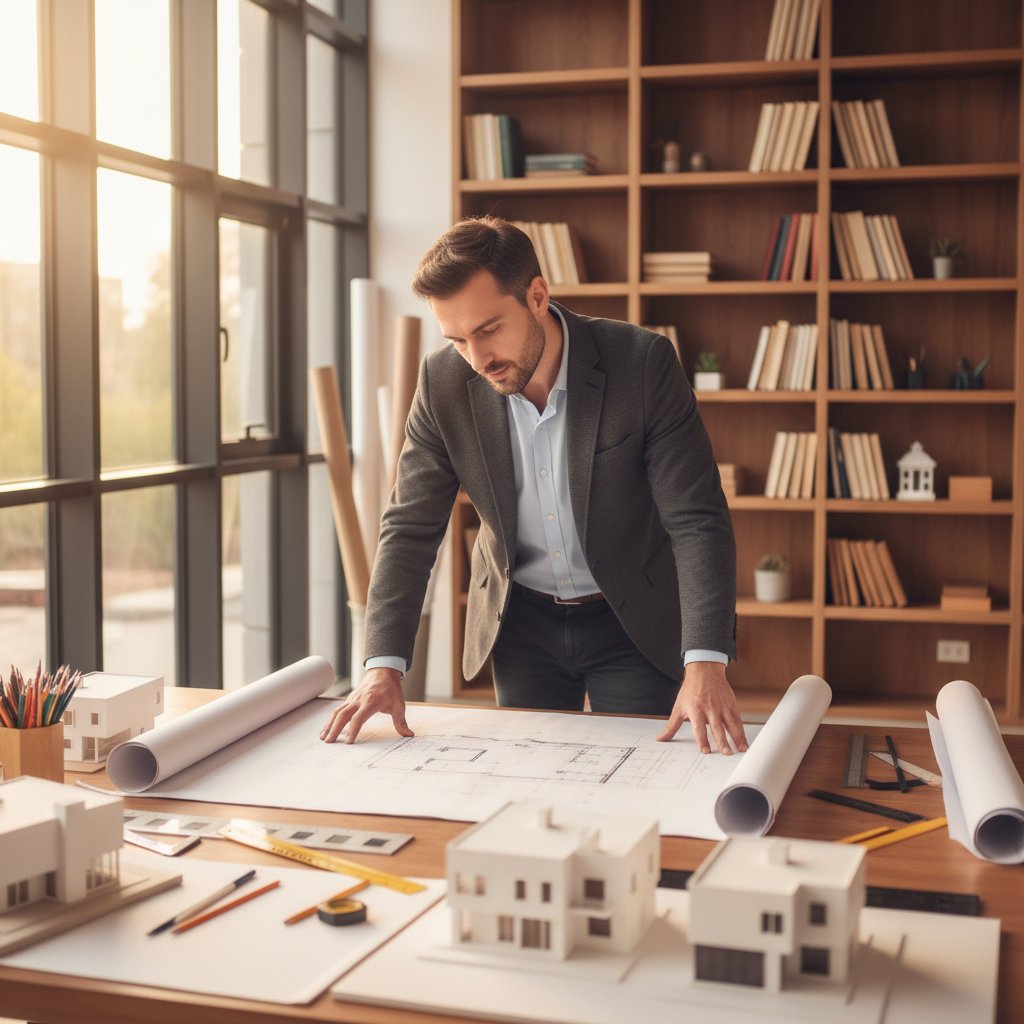
Fariqu was founded in 2012 by a group of architects who shared a common goal: to design countryside homes that balance functionality with aesthetic appeal. Starting from a small office in Colebrooke Row, we have grown into a team of 15 specialists, including architects, structural engineers, and interior designers.
Our work focuses on residential projects across the Home Counties and beyond. We have completed over 180 designs, ranging from compact family homes to larger estates. Each project begins with understanding the site conditions, local planning requirements, and the client's lifestyle.
What sets us apart is our methodical approach. We conduct thorough site analysis, considering factors such as topography, sunlight orientation, and access routes. Our designs incorporate energy-efficient solutions, including proper insulation specifications, passive solar design principles, and sustainable material selection where appropriate.
Every measurement, specification, and detail in our drawings is verified. We use CAD software and conduct multiple review stages to ensure accuracy before construction begins.
We maintain open communication with clients, contractors, and planning authorities throughout the project. Regular meetings and progress updates keep everyone informed.
Our designs prioritize livability. We consider daily routines, storage needs, and future adaptability to create spaces that work for real life, not just on paper.
We incorporate thermal performance calculations, specify low-impact materials when feasible, and design for longevity to reduce the environmental footprint of each home.
We provide architectural services for countryside homes that meet building regulations, respect local character, and serve the practical needs of residents. Our process includes site surveys, planning application support, detailed construction drawings, and coordination with building control. We aim to deliver projects on schedule and within budget, while maintaining clear communication at every stage.
We see a future where countryside architecture balances modern living standards with environmental responsibility. Our goal is to expand our expertise in low-energy design and work with emerging construction technologies. We want to be recognized for reliability, technical competence, and designs that age well. By 2030, we aim to have all our projects achieve EPC rating B or higher through careful planning and specification.