Проектирование загородных домов in 2024: what's changed and what works
The Russian countryside home market has gone through a transformation that would make your head spin. After years of cookie-cutter designs and copy-paste blueprints, 2024 has brought a wave of fresh thinking that's actually grounded in reality. Homeowners are smarter, architects are bolder, and the whole approach to building outside the city has matured considerably.
Here's what's actually working right now—and what you should ditch from your planning board.
1. Energy Independence Isn't Optional Anymore
Gas prices jumped 40% in the last 18 months, and electricity costs aren't far behind. Smart designers now build energy autonomy into the foundation of every project. We're talking heat pumps rated for -25°C winters, solar arrays sized for actual consumption (typically 10-15 kW for a 200 sq meter home), and proper battery storage that can carry you through a 3-day outage.
The upfront cost stings—expect to add 1.5-2 million rubles to your budget for a solid energy system. But monthly heating bills drop from 25,000 rubles to under 8,000. The math works out to a 7-year payback, and that's before the next price hike. Triple-glazed windows from Rehau or similar manufacturers aren't a luxury anymore; they're baseline.
2. Modular Construction Has Finally Grown Up
Remember when prefab meant "cheap summer cottage"? Those days are dead. Factory-built modules now deliver architectural complexity that rivals traditional construction, with build times of 3-4 months instead of 12-18. Companies like Domza and others are churning out modules with built-in engineering systems, finished interiors, and quality control that happens indoors where it actually matters.
The price point sits around 45,000-65,000 rubles per square meter for turnkey delivery. That's competitive with conventional building, but you're living in your house by autumn instead of waiting through another brutal winter. The catch? Your design needs to work within modular constraints—typically 3-4 meter width limits for transport. Creative architects see this as a puzzle, not a problem.
3. Mixed-Use Ground Floors Are the New Normal
The pandemic permanently changed how people think about home space. The most requested feature in 2024? A ground floor that works as both living space and light commercial area. Home offices with separate entrances, small production workshops, consulting rooms—all designed into the original plan with proper zoning and utility capacity.
This requires thinking through parking (minimum 3 spots), separate HVAC zones, and soundproofing between floors. But it future-proofs your property. That spare 40 square meters can generate 80,000-120,000 rubles monthly in rental income, or serve as your own business headquarters. The key is getting the layout right from day one—retrofitting is expensive and usually disappointing.
4. Landscaping Gets Designed First, Not Last
The biggest shift in project sequencing? Site planning now happens before architectural drawings. Drainage patterns, sun exposure analysis, wind corridors, existing tree preservation—all of this drives where the house sits and how it's oriented. You'd be shocked how many builds get this backwards and end up with a gorgeous house in the wrong spot.
Proper site analysis adds 2-3 weeks to the design phase but saves months of headaches. Your house should nestle into the landscape, not fight it. South-facing living rooms capture winter sun. Service areas face north. Outdoor spaces connect naturally to indoor flow. This isn't poetry—it's the difference between a house that works and one that just exists.
5. Material Choices Have Gotten Radically Local
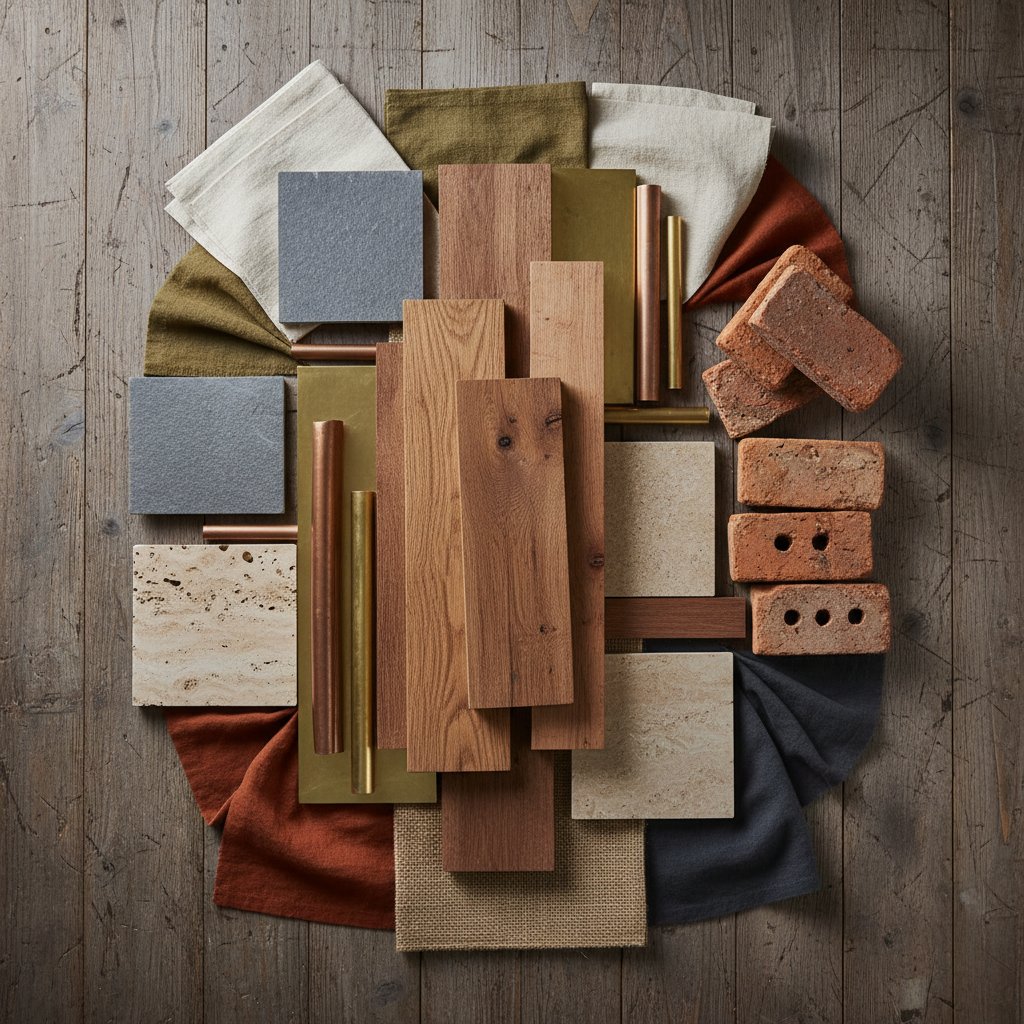
Import restrictions and shipping costs have pushed designers toward regional materials in ways that actually improve projects. Siberian larch instead of imported cedar. Local brick and stone that match the regional character. CLT panels from domestic manufacturers hitting quality parity with European suppliers.
This isn't about making do with less. It's about shorter supply chains (8 weeks instead of 6 months), lower costs (20-30% savings on materials), and designs that belong in their environment. A Moscow Oblast home should look and feel different from one in Krasnodar, and material choices are driving that authenticity.
6. Smart Home Tech Is Now Invisible
The smart home conversation has matured beyond "look at my app." Successful 2024 projects integrate automation so seamlessly you forget it's there. Heating adjusts by room occupancy. Ventilation responds to CO2 levels. Lighting follows natural patterns without programming scenes.
Budget 300,000-500,000 rubles for a proper system using platforms like Loxone or domestic alternatives like Rubetek. The goal isn't control—it's autonomy. Your house should run itself intelligently, intervening only when truly needed. Voice commands and apps are backup interfaces, not the primary interaction model.
The countryside home market has shed its training wheels. Projects that succeed in 2024 balance independence with connectivity, respect site conditions while pushing architectural boundaries, and build in flexibility for unknown future needs. The era of the static dacha is over. What's emerging is far more interesting—and more livable.