Why most Проектирование загородных домов projects fail (and how yours won't)
Your Dream Country House Just Became a Nightmare
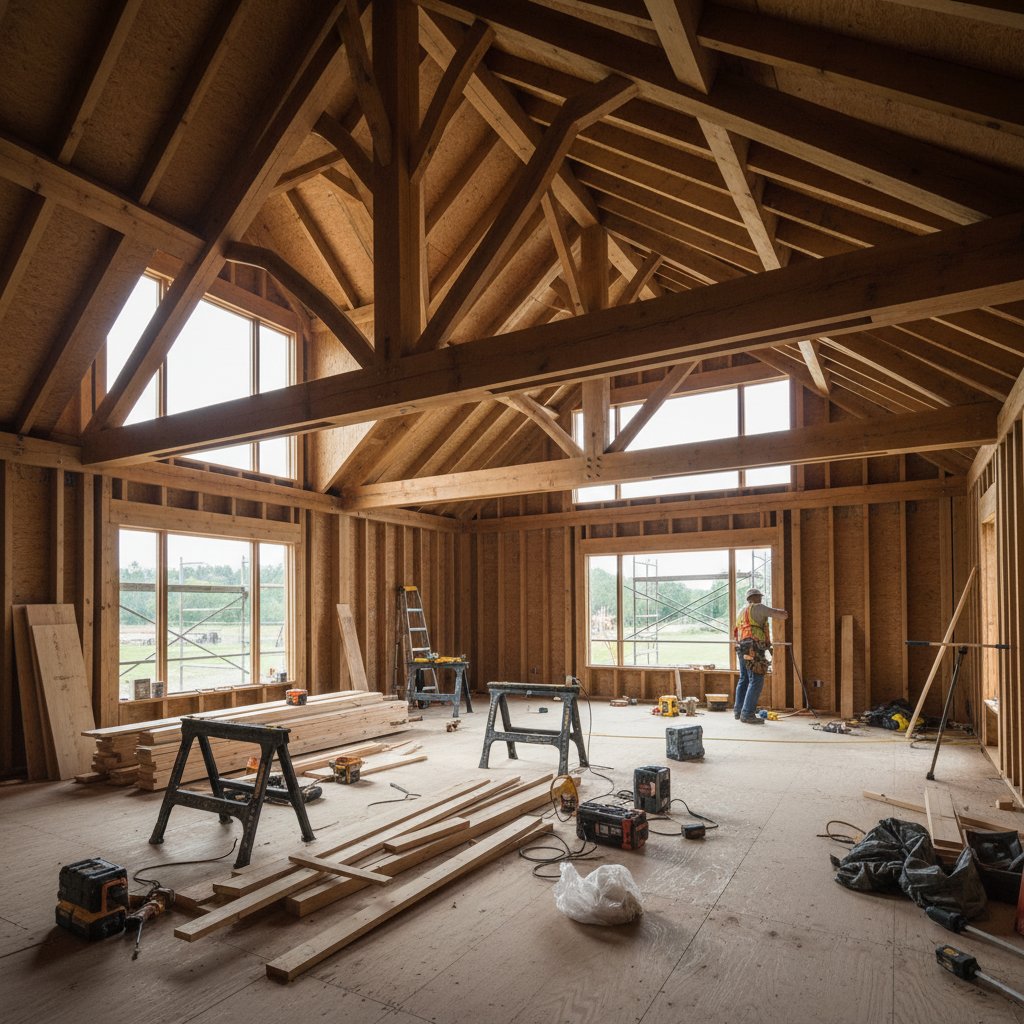
Picture this: You've spent months imagining your perfect countryside retreat. The fireplace. The timber beams. That sprawling veranda where you'll sip coffee every morning. Fast forward eighteen months, and you're standing in a half-finished shell, watching your contractor shrug about the foundation cracks while your budget bleeds another $40,000.
Sound familiar? According to industry data, roughly 68% of custom country home projects exceed their original budget by at least 30%. Even worse, 42% fail to meet their completion deadlines by six months or more. These aren't just statistics—they're dreams deferred and savings accounts emptied.
The Hidden Traps That Sink Country Home Projects
Most people blame bad contractors or unexpected costs. Sure, those play a role. But the real culprit? Poor planning at the design stage.
The Soil Nobody Tested
Here's what typically happens: You fall in love with a plot. Trees everywhere. Rolling hills. A babbling brook. You hire an architect who sketches something gorgeous. Construction begins.
Then the excavator hits clay. Or bedrock. Or discovers the water table sits exactly where your basement should be.
Proper geotechnical surveys cost between $2,000 and $5,000. Fixing foundation issues after you've started building? Try $25,000 to $80,000. One client I know spent an extra $60,000 reinforcing foundations because nobody checked the soil composition before designing a two-story stone facade.
The Utility Connections They Forgot to Mention
Electricity, water, gas, sewage—these aren't free in the countryside. Running power lines to a remote plot can cost $15,000 to $50,000 depending on distance. Need a septic system? Add another $10,000 to $25,000.
Many designers create beautiful plans without calculating these connection costs. You approve a $300,000 build, then discover you need an extra $75,000 just to make the house functional.
The Permit Maze
Different municipalities have wildly different rules about building heights, setbacks, septic placement, and environmental restrictions. I've seen projects delayed nine months because nobody checked whether the local authority required archaeological surveys (yes, really) or protected a specific tree species on the property.
Warning Signs Your Project Is Headed for Trouble
Red flag number one: Your designer hasn't visited the site. If they're working purely from satellite images and property surveys, run.
Second warning: The initial quote seems too good to be true. If everyone else is quoting $350,000 and one firm promises $240,000 for the same scope, they're either cutting corners or they'll hit you with change orders later.
Third: Nobody's talking about contingencies. Professional estimates include a 10-15% buffer for unexpected issues. If your designer insists everything will go exactly to plan, they haven't designed many country homes.
How to Actually Get It Right
Step 1: Investigate Before You Invest
Before anyone draws a single wall, spend money on three things: a geotechnical survey, a utility connection assessment, and a thorough permit consultation. This might cost $5,000 to $8,000 upfront, but it'll save you ten times that amount in surprises.
Step 2: Design for Your Actual Site
Work with designers who create plans based on your specific terrain, soil conditions, and climate. A house design that works perfectly in one location might be a disaster fifty miles away where wind patterns or frost depths differ.
Ask your designer: "How does this design account for our specific soil type?" If they can't answer, find someone else.
Step 3: Build Your Team Before Your House
Get your contractor involved during the design phase, not after. They'll spot buildability issues early. That gorgeous cantilevered deck your architect drew? Your contractor might explain it requires specialized engineering that adds $18,000 to the budget. Better to know now than during construction.
Step 4: Plan for Reality, Not Fantasy
Add 15% to your budget for contingencies. Extend your timeline by 20%. If someone promises your custom country home in six months, assume eight or nine. This isn't pessimism—it's preparation.
Making Your Project Bulletproof
Lock in your design before construction starts. Every change during building multiplies costs by three to five times. That window relocation that would've cost $800 during design? It's now $3,500 because framing is already done.
Create a detailed specification document. Don't just say "hardwood floors"—specify the species, grade, finish, and installation method. Vague specs lead to disputes and disappointment.
Schedule regular site visits during construction. Weekly if possible. Problems caught early cost hundreds to fix. Problems caught late cost thousands.
Your country home should be a sanctuary, not a cautionary tale. The difference between the two? About three weeks of thorough planning before anyone lifts a hammer.